
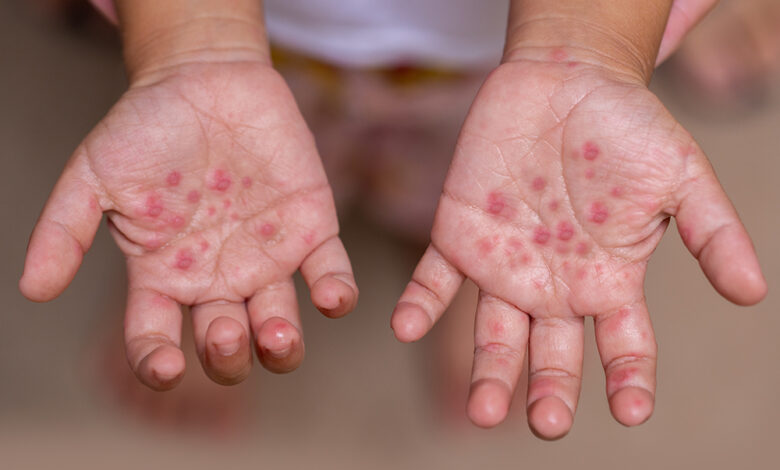
Hand, Foot, and Mouth Disease (HFMD) sounds scary when you first hear the name. I remember feeling that small wave of panic myself. But after walking through it at home with my kids, I’ve learned that calm, informed care makes a big difference both for children and for us as parents. HFMD is common in young children, especially those under 10. It spreads easily in schools and homes.
JOIN US ON WHATSAPP FOR MORE UPDATES
What Is Hand, Foot, and Mouth Disease?
HFMD is a viral illness caused by enteroviruses. It mainly affects babies and young children, but older kids can catch it too. It spreads through close contact, coughing, sneezing, saliva, or touching shared surfaces. Once one child has it, it can move quickly through a household which is why early signs matter.
Common HFMD Symptoms to Watch For
Symptoms usually start gently and build over a few days. These are the most common signs parents notice:
- Mild fever
- Sore throat
- Small painful sores in the mouth
- Red spots or blisters on hands, feet, or around the mouth
- Tiredness or fussiness
- Reduced appetite
In my experience, the symptoms looked worse than they felt. The kids were uncomfortable but still playful at times, which helped me stay grounded and avoid panic.
Also Read: Understanding Baby Rash
How HFMD Affects Children Differently
Every child reacts in their own way. Some may have only a few spots and a low fever. Others may feel sore and tired for a couple of days. In our case, the symptoms didn’t hit hard. There was some discomfort, a bit of clinginess, and lots of asking for water but nothing alarming.
Treating HFMD at Home
There’s no specific medicine to cure HFMD, but supportive care works well.
- Plenty of fluids to prevent dehydration
- Soft foods when mouth sores made chewing uncomfortable
- Paracetamol for fever or pain (as advised)
- Extra rest and quiet time
- Gentle reassurance and cuddles
The biggest lesson for me was staying calm. Kids feed off our energy. When I stayed relaxed and patient, they settled faster and coped better.
Keeping Calm While Caring for Sick Kids
When multiple kids are unwell, it’s easy to feel overwhelmed. I reminded myself that HFMD is usually short-lived and manageable. Taking deep breaths, sticking to a simple routine, and focusing on comfort not perfection made everything easier. Rest and reassurance matter.
How Long Does HFMD Last?
Most children start improving within 7 to 10 days. Blisters dry up, fever fades, and appetite returns. Children are most contagious during the first week, so keeping them home and practicing good hygiene helps prevent spread.
Preventing the Spread of HFMD
HFMD spreads easily, but small habits help reduce risk:
- Frequent handwashing
- Cleaning toys and surfaces regularly
- Avoiding sharing cups or utensils
- Teaching kids to cover coughs and sneezes
These simple steps protect siblings and classmates without adding stress.
When to See a Doctor
Most cases don’t need medical treatment, but seek help if your child:
- Has trouble swallowing fluids
- Shows signs of dehydration
- Has a high fever that won’t go down
- Seems unusually drowsy or unwell
Trust your instincts parents usually know when something feels off.
JOIN US ON WHATSAPP FOR MORE UPDATES
A Gentle Reminder
HFMD can look alarming, but it’s often mild and temporary. With calm care, comfort, and patience, most children recover fully at home. Parenting through illness isn’t about doing everything perfectly. It’s about staying steady, loving through the discomfort, and knowing this phase will pass. And it always does.
Medical Point Of View: National Library Of Medicine
Disclaimer: Easy Mummy shares general parenting information and personal experiences for educational purposes only. Content is not a substitute for professional medical, legal, or mental-health advice. Always consult a qualified professional for specific concerns.




One Comment