
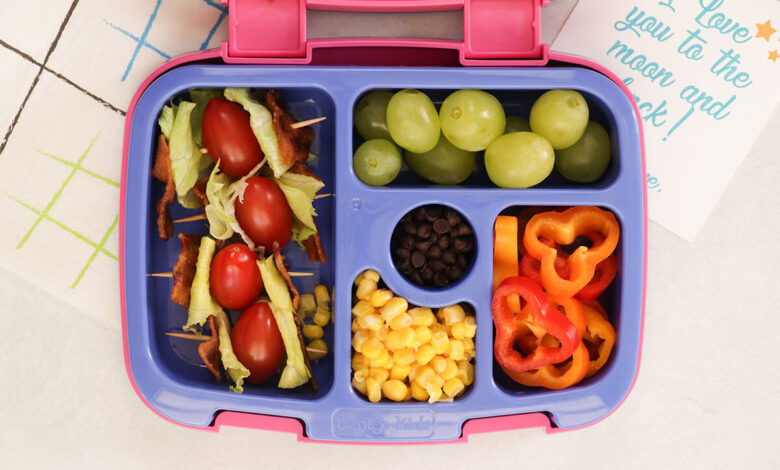
Hey Mummy! Packing a lunch box every day can feel like a challenge, especially when the food comes back barely touched. If you’re tired of half-eaten sandwiches and untouched veg, you’re not alone. Many parents wrestle with finding lunch ideas that are not only nutritious but actually eaten by kids. After years of trial, error, and observation, there are a few reliable secrets that consistently help make lunch boxes more appealing and successful.
Here are the top 3 secrets for packing a lunch box that kids will eat, along with practical tips to make your mornings a little easier and your kids’ lunch boxes a lot more satisfying.
JOIN OUR WHATSAPP GROUP FOR MORE UPDATES!
1: Know What Your Child Likes .
Observe what they reach for at home or what they consistently choose at school or break times. Simple foods like plain sandwiches, cheese cubes, favorite fruits, and familiar snacks often outperform complicated or unfamiliar items during a busy lunch break. A useful rule of thumb is to include at least one item you know they always enjoy, even if it’s something basic. This creates a “comfort anchor” that makes them more open to trying new or healthier options alongside it.
Involving your child in the planning and preparation process also increases the likelihood they will eat what’s in their lunch box. When children choose an item themselves whether it’s a favorite fruit, sandwich bread, or a small treat they feel a sense of ownership and are more enthusiastic about eating it.
2: Variety and Presentation Make a Difference
Kids often eat with their eyes first. A lunch box full of the same shape, colour, or texture day after day quickly becomes boring. To keep things interesting, think about variety in colour, texture, and flavour.
A great strategy is to pack a mix of tastes and textures such as crunchy carrot sticks, soft cheese cubes, juicy grapes, and chewy wholegrain crackers. Offering different colours like reds, greens, and yellows not only helps make the lunch more visually appealing but also boosts nutritional value by including a range of micronutrients.
Cutting sandwiches into fun shapes, using small containers for dips, or arranging foods by color or theme can make lunchtime more fun and engaging. This doesn’t mean elaborate creations are needed; simple tweaks like alternating sandwich shapes or rotating favorite snacks through the week can provide enough novelty to keep kids excited about eating lunch.
3: Keep It Simple and Practical
Complex meals can be nutritious, but if they’re fiddly or slow to eat, kids might run out of time or lose interest. Most children only have a limited break to eat, play, and socialize, so lunch needs to be quick to open, easy to eat, and portion-appropriate.
Another helpful tip is to prepare ingredients or components in advance. Spend a little time the night before or at the weekend chopping vegetables, making a batch of muffins, or portioning snacks. This saves precious time in the morning and reduces stress when packing lunches for multiple children.
Also Read: Talking to Kids About Money and Privilege
Make It Even Better
Encourage Feedback: Ask your kids what they liked and didn’t like about their lunch. What was eaten? What wasn’t? This helps you fine-tune future lunches without guessing.
Balance Nutrition with Treats: Including a favourite item alongside balanced foods can increase the chances of them eating everything else. Think of this as pairing a practical approach with a positive experience.
JOIN OUR WHATSAPP GROUP FOR MORE UPDATES!
Disclaimer: Easy Mummy shares general parenting information and personal experiences for educational purposes only. Content is not a substitute for professional medical, legal, or mental-health advice. Always consult a qualified professional for specific concerns.





One Comment