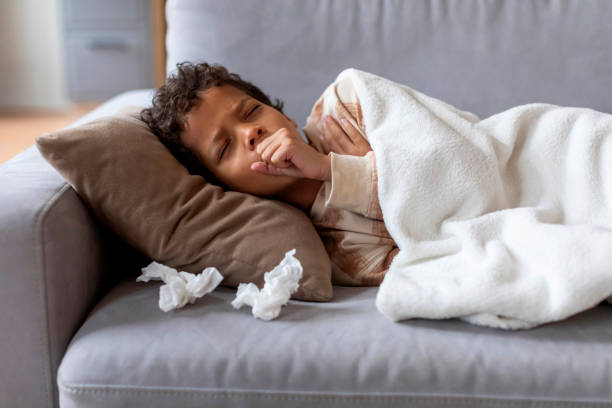
Hello Mummy! When your child starts coughing, especially during school term, it can feel never-ending. I personally deal with coughs almost every school season. Just when I think we are finally clear, someone comes home with another tickly throat. The night coughing, the interrupted sleep, the constant listening to their breathing it can be exhausting as a parent.
Understanding the different types of coughs in children can help you stay calm and know when it is safe to manage it at home and when to seek medical advice. Coughing is actually the body’s way of protecting itself. It helps clear mucus, germs, or irritation from the airways. Most coughs are caused by common viruses and improve within one to two weeks.
JOIN US ON WHATSAPP FOR MORE UPDATES
Dry Cough vs. Wet Cough
A dry cough does not produce mucus. It often sounds harsh or tickly and may be worse at night. Dry coughs are common with viral infections, allergies, or irritation from dust and cold air. These coughs can linger even after other cold symptoms disappear.
A wet cough, also called a productive cough, involves mucus. It may sound chesty or rattly. Wet coughs are common during colds because the body is clearing mucus from the lungs. Even though it sounds uncomfortable, this type of cough can be helpful because it clears the airways.
Both types can disturb sleep, especially when your child lies down. I have spent many nights sitting beside my children, checking if the cough sounds “normal” or something more serious. If you relate, you are not alone.
Barky Cough (Croup)
A loud, barking cough that sounds like a seal is often linked to croup. This happens when the upper airway becomes swollen, usually from a viral infection. It is often worse at night and may come with a hoarse voice.
If your child struggles to breathe or looks distressed, seek medical help immediately.
Also Read: Colds & Flu: What Parents Really Need to Know
Wheezing Cough
A cough with a whistling or wheezing sound when your child breathes out may point to asthma or lower airway irritation. This type of cough may flare up with exercise, cold air, or at night.If wheezing is new, frequent, or severe, it is important to consult your doctor. Early treatment makes a big difference.
Cough After Choking
If your child suddenly develops a cough after choking on food or a small object, and the cough does not go away, it could mean something is stuck in the airway. Even if they seem fine, persistent coughing after choking should always be checked by a medical professional.
When Should You Worry?
Most coughs improve with time, rest, and fluids. However, contact your doctor if your child:
- Has difficulty breathing or breathing very fast
- Has a high fever that does not improve
- Has a cough lasting more than three weeks
- Seems unusually tired or weak
- Shows signs of dehydration
Simple Home Care That Helps
Over the years, I have learned that patience is key. School terms bring germs, and coughs often travel from one child to the next.
Encourage fluids to thin mucus. Let your child rest. Use saline drops for blocked noses. For children over one year old, a small amount of honey before bed may soothe the throat. Avoid over-the-counter cough medicines in young children unless advised by your doctor.
Take it one night at a time. Watch for warning signs. Offer comfort. And remember, even during those long coughing evenings, you are doing your best
JOIN US ON WHATSAPP FOR MORE UPDATES
Disclaimer: Easy Mummy shares general parenting information and personal experiences for educational purposes only. Content is not a substitute for professional medical, legal, or mental-health advice. Always consult a qualified professional for specific concerns.