
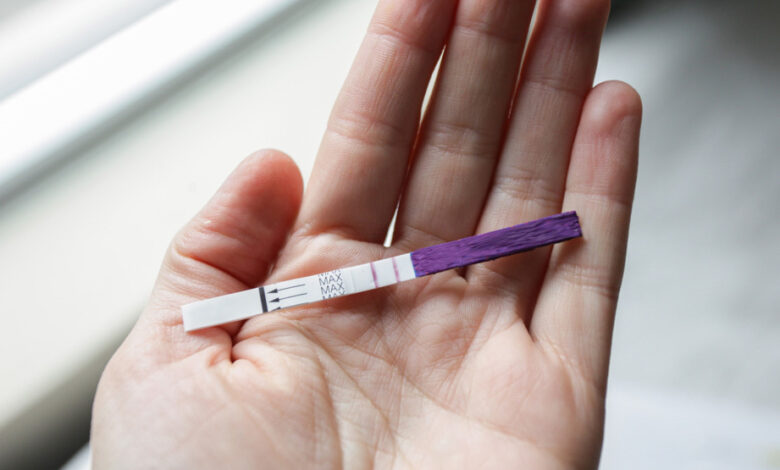
Wondering when to take a pregnancy test isn’t just practical it’s emotional. Whether you’re joyfully trying to conceive or quietly hoping for peace of mind after unprotected sex, knowing the best time to test can make the process clearer and less stressful.
JOIN US ON WHATSAPP FOR MORE UPDATES
Why Timing Matters
At-home pregnancy tests work by detecting a hormone called human chorionic gonadotropin (hCG). After conception, your body doesn’t produce much hCG right away it takes a little time before enough of this “pregnancy hormone” shows up in your urine for a test to detect it accurately.
Also Read: Understanding In Vitro Fertilization (IVF): A Compassionate Look at the Journey Ahead
When Is the Earliest You Can Test?
Some modern pregnancy tests are marketed as early detection tests. These can sometimes detect pregnancy hormone levels several days before your missed period often around 4 to 6 days before your period is due. That means if your period is expected on the 15th of the month, some tests might work as early as the 9th or 10th.
Best Time to Take a Pregnancy Test
For the most trustworthy results, experts recommend:
- Wait until the first day of your missed period. That’s usually about 2 weeks after ovulation or conception.
- If you’re unsure when your period is due or your cycle is irregular, it’s usually best to wait about 21 days after unprotected sex before testing.
What About Blood Tests?
If you go to a clinic, a blood pregnancy test can sometimes detect hCG earlier than a urine test as soon as a day or two after implantation. But this type of test usually requires a visit to a health care provider.
How Pregnancy Tests Work
Whether you choose a regular or early detection test, each one is designed to pick up hCG in your urine. After implantation (when a fertilised egg attaches to the uterus), your body starts producing this hormone, and levels rise quickly in early pregnancy.
That’s why timing your test is so important too soon, and your hCG levels may be too low to measure. Once your period is late, hCG levels are usually high enough to show up clearly on most tests.
Tips for More Accurate Results
To help your test give the best result possible, keep these points in mind:
- Follow the instructions on the test package exactly.
- Use your first morning urine if you’re testing early, because it’s more concentrated.
- Don’t read the result after the time window listed on the instructions waiting too long can lead to confusion.
- If your result is negative but you still haven’t had your period, wait a few days and test again.
What to Do After Testing
If your test comes back positive, follow up with your healthcare provider for confirmation and next steps. If it’s negative but your period still hasn’t started, you can test again after a few days. Sometimes hCG levels rise later than expected in early pregnancy. Staying patient with the process can help you feel more in control.
Thoughts on Pregnancy Test Timing
Early testing might give you an answer sooner, but most accurate results come when testing on or after the day your period is late. Whatever your result, you’re doing a great job looking after yourself and your body. Take a breath, give your body time, and trust the process.
JOIN US ON WHATSAPP FOR MORE UPDATES
Disclaimer: Easy Mummy shares general parenting information and personal experiences for educational purposes only. Content is not a substitute for professional medical, legal, or mental-health advice. Always consult a qualified professional for specific concerns.





2 Comments